# Ice Lakes Basin: The Most Beautiful Hike in Colorado?
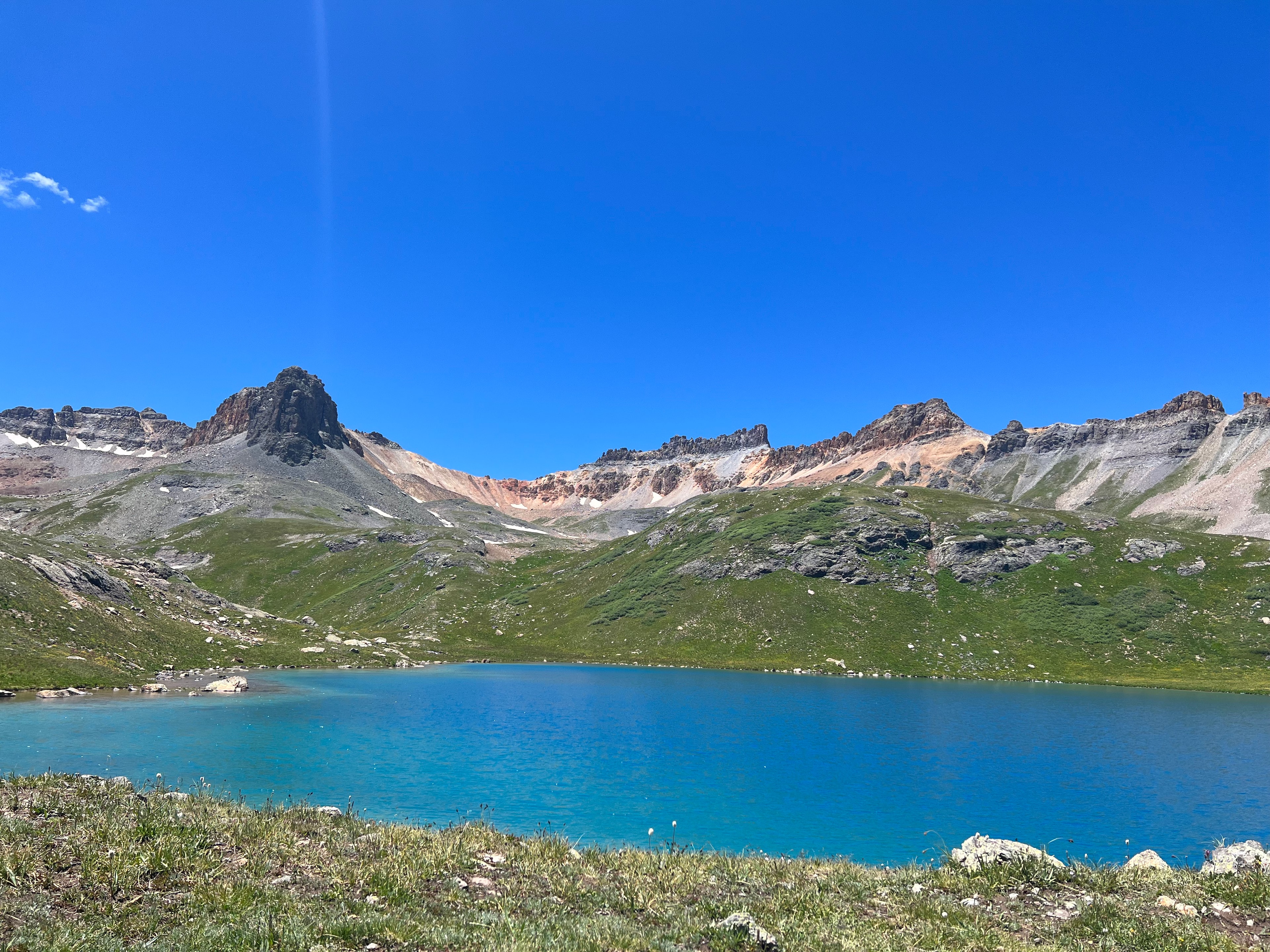
When people ask me about Colorado's most stunning day hike, my answer comes without hesitation: Ice Lakes Basin. This alpine wonderland near Silverton transforms from a wildflower paradise in summer to a frozen cathedral in winter, earning its reputation as one of the state's most photographed destinations. But here's what the postcards don't tell you — this trail demands respect, rewards patience, and delivers an experience that'll have you questioning whether you're still on planet Earth.
Why Ice Lakes Basin Stands Apart
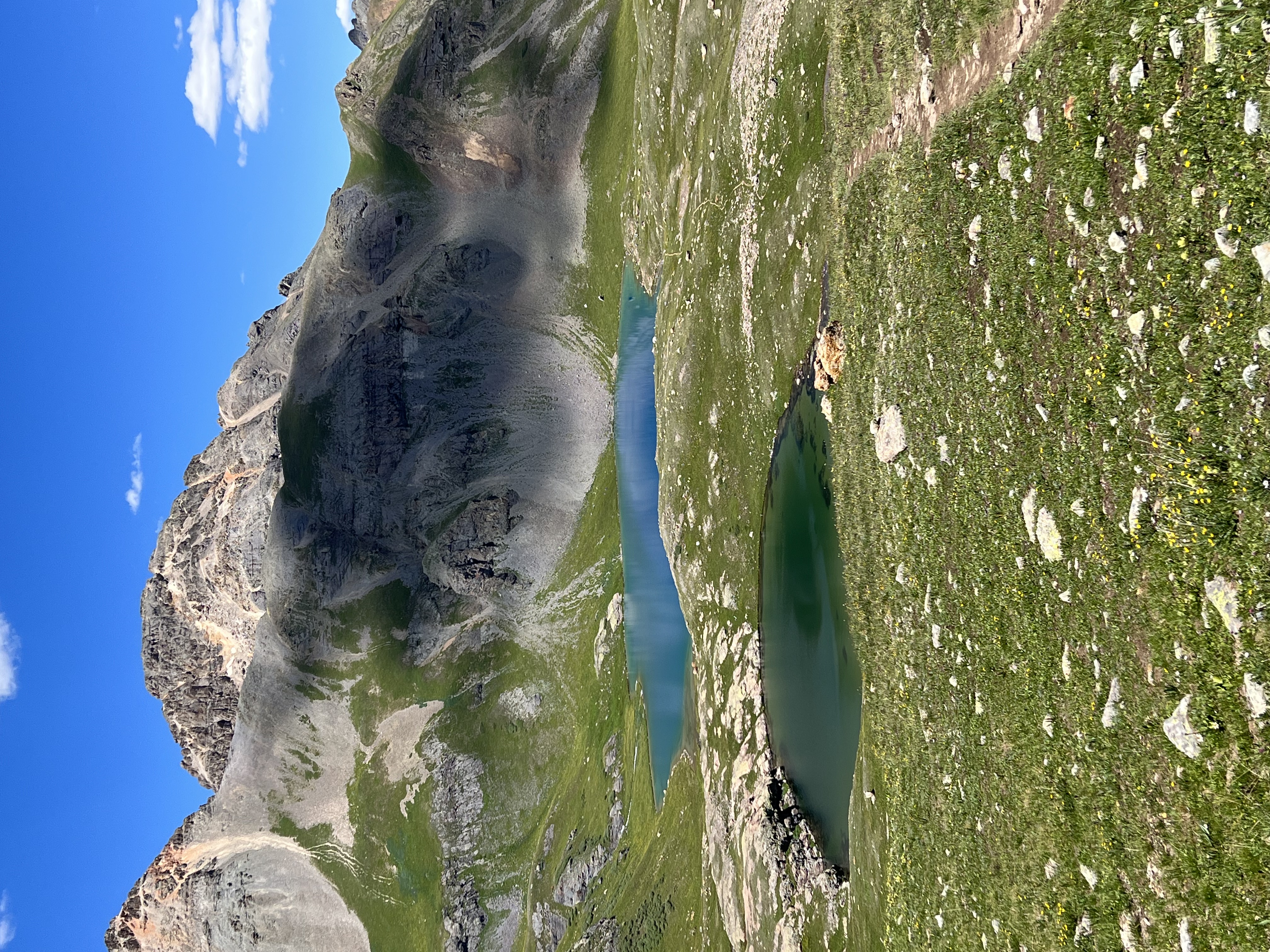
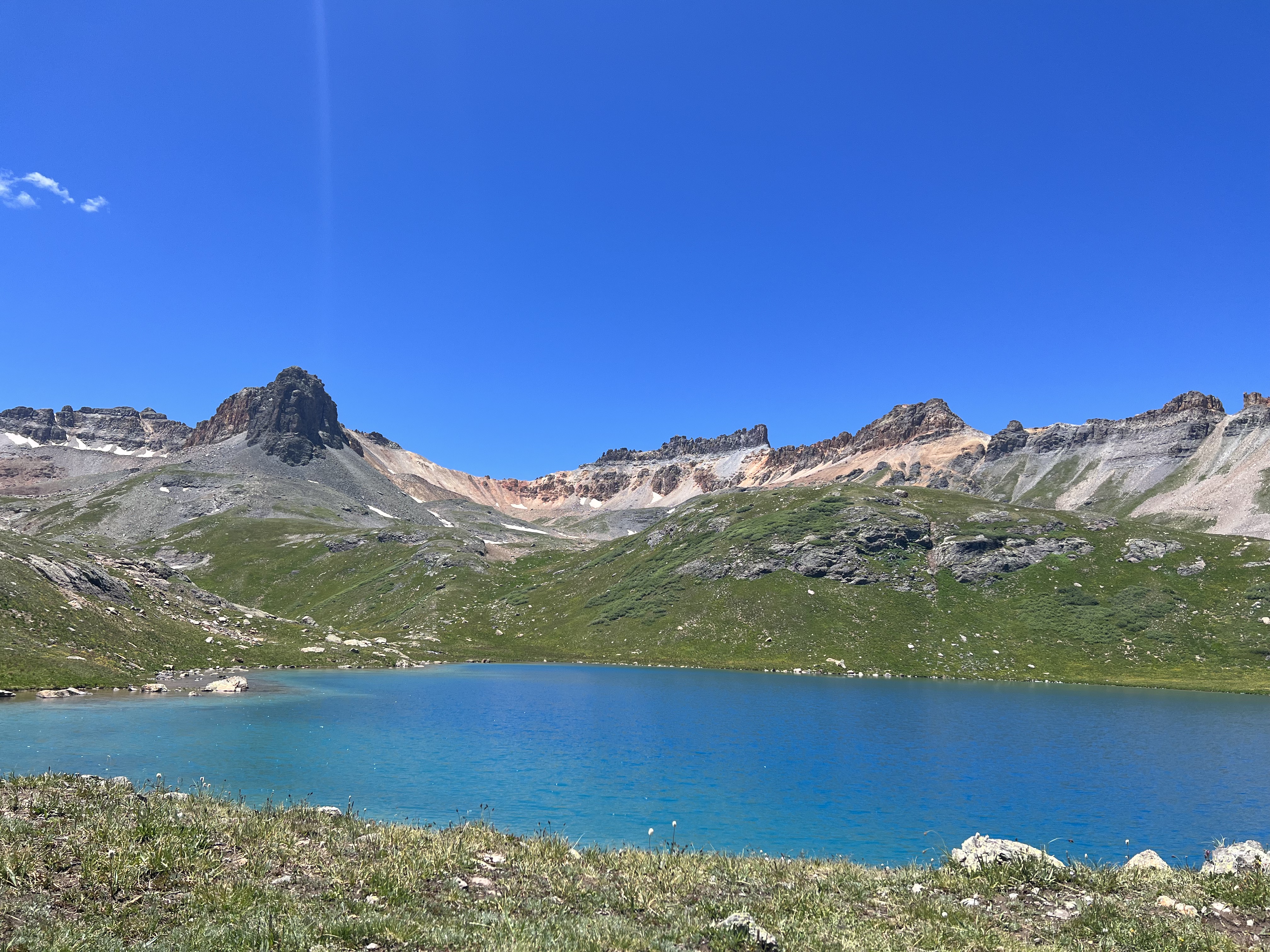
At 12,257 feet, Ice Lakes Basin sits in the heart of the San Juan Mountains, accessible via a challenging 7.4-mile round-trip hike that gains 2,880 feet of elevation. The trail leads to not one, but multiple pristine alpine lakes nestled in a cirque of 13,000-foot peaks painted in shades of red, orange, and gold thanks to the area's unique mineral composition.
What sets Ice Lakes apart isn't just the scenery — though the turquoise lakes contrasting against rust-colored peaks create some of Colorado's most striking photography. It's the sense of earned solitude. This isn't a casual stroll to a viewpoint. The trail tests your legs, your lungs, and your determination, which means fewer crowds and more authentic alpine experiences.
The basin earned its name honestly. Even in July, patches of snow often linger around the upper lake, and ice can form on the water's surface during cold snaps. In winter, the entire basin transforms into a glittering amphitheater of snow and ice that few people witness firsthand.
Planning Your Ice Lakes Adventure
Best Times to Hike
Summer (July-September): Prime hiking season offers accessible trails, wildflower displays that peak in mid-July, and the best weather windows. Expect afternoon thunderstorms and plan early starts.
Fall (Late September-October): Fewer crowds and stunning aspen colors, but weather becomes unpredictable. Snow can arrive suddenly at elevation.
Winter (November-May): Expert-level adventure requiring snowshoes or skis, avalanche knowledge, and winter mountaineering skills. The reward? A winter wonderland virtually to yourself.
Getting to the Trailhead
From Durango, drive north on US-550 for about 50 miles to the South Mineral Campground turnoff, roughly 5 miles before reaching Silverton. The dirt road to the trailhead requires high-clearance vehicles and can be rough — budget extra time for the slow, bumpy approach.
The trailhead sits at 9,900 feet, meaning you're already well into thin air before taking your first step. If you're visiting from lower elevations (looking at you, Texas and Arizona friends), plan an extra day in Durango to acclimatize.
The Trail Experience
Lower Section: Forest and Falls
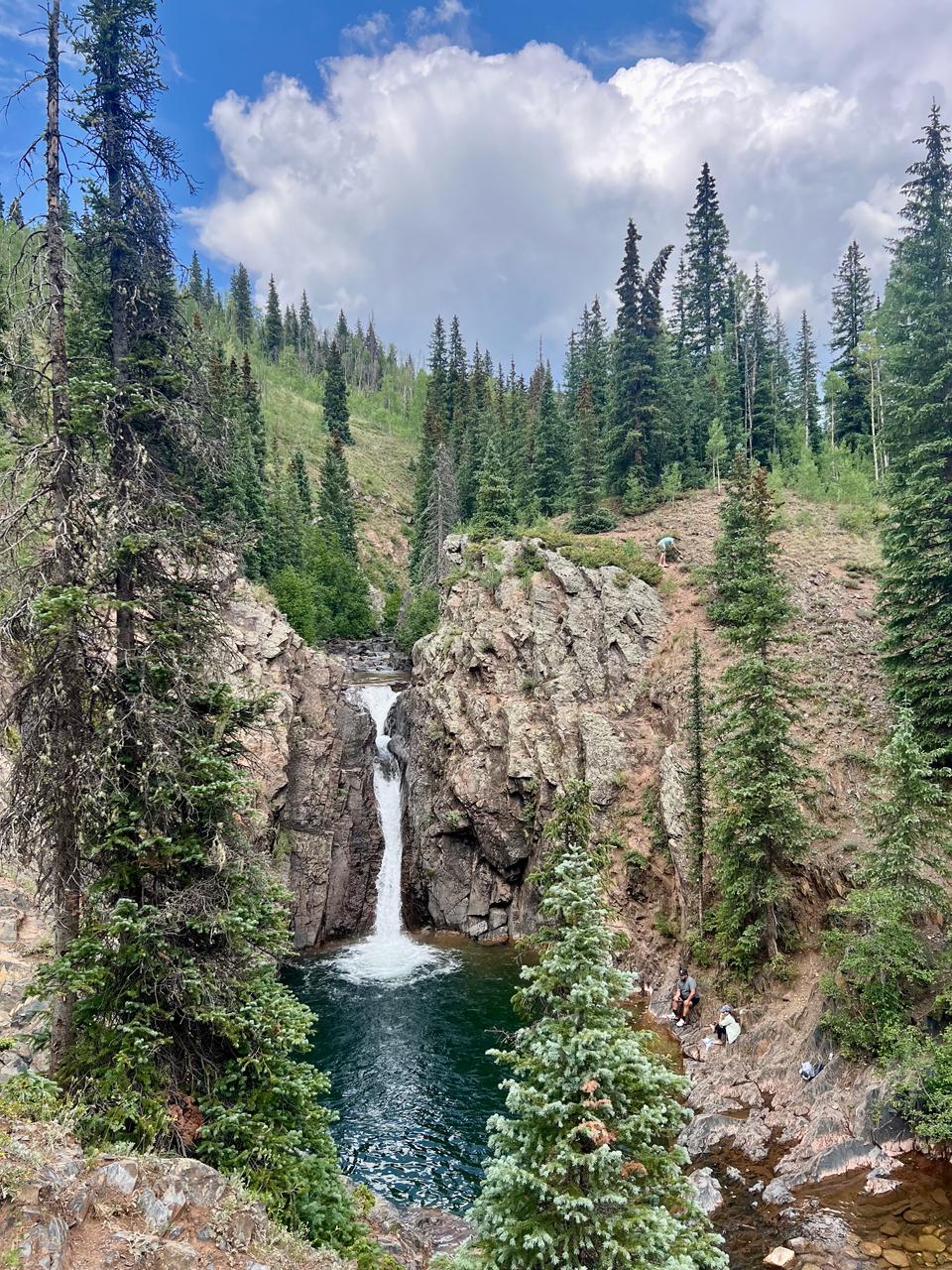
The first 2.5 miles follow South Mineral Creek through dense forest, gaining elevation steadily but manageably. The trail crosses several streams — expect wet feet during snowmelt season. Around mile 2, you'll encounter a spectacular waterfall that creates natural air conditioning on hot summer days.
This section stays relatively protected from weather, making it hikeable later into fall and earlier in spring than the upper basin. The forest provides welcome shade during summer ascents and wind protection during shoulder seasons.
Upper Section: Above Treeline
After mile 2.5, the trail breaks treeline and the real work begins. The path becomes steeper and rockier, switchbacking up loose talus toward the basin. This exposed section can be brutal in bad weather — afternoon thunderstorms, high winds, or early snow can turn dangerous quickly.
But on clear days, this ascent offers increasingly spectacular views back toward the Animas River valley and the peaks surrounding Silverton. The landscape shifts from green forest to alpine tundra dotted with hardy wildflowers that somehow thrive in this harsh environment.
The Basin Reward
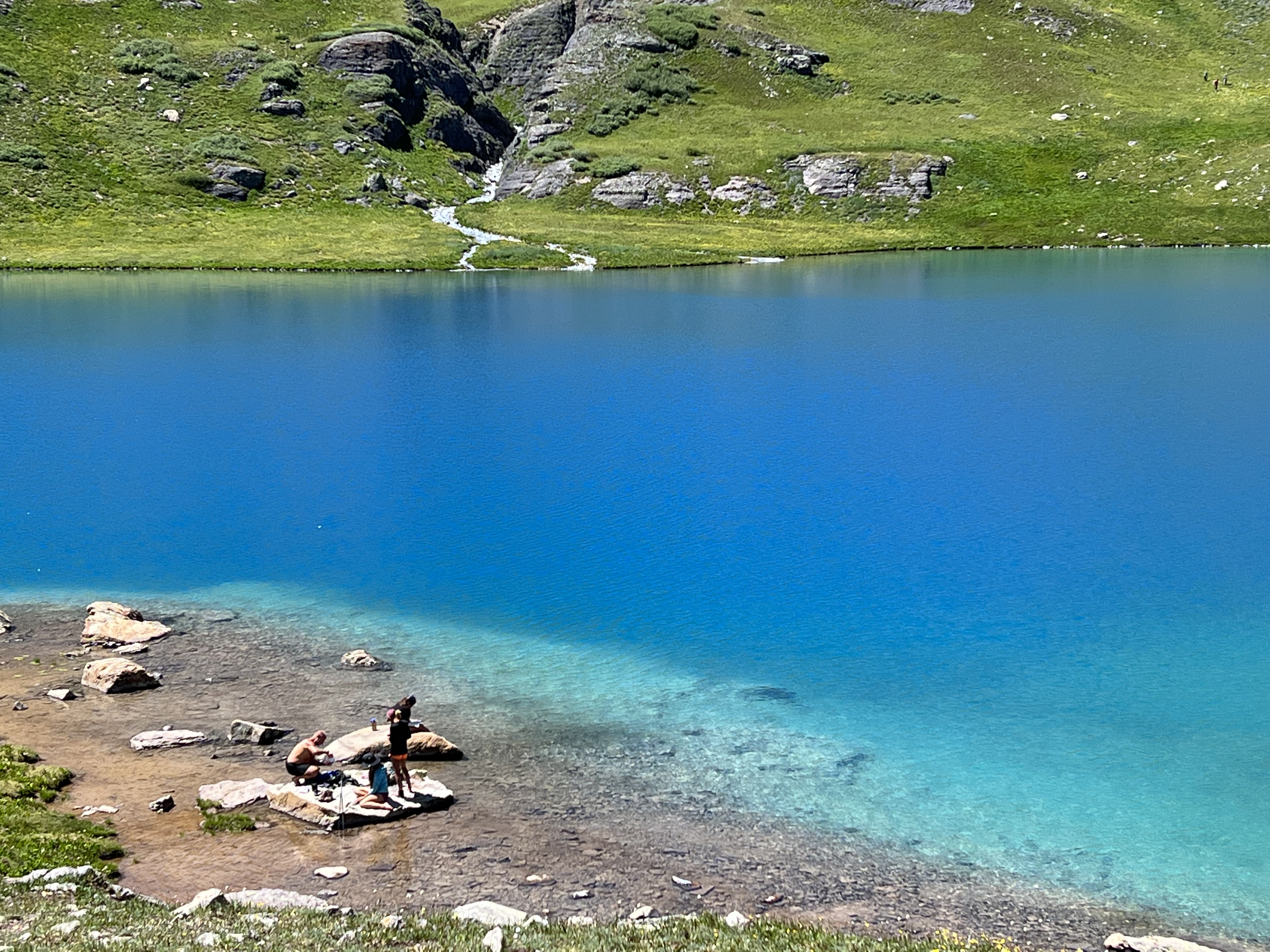
Cresting the final rise into Ice Lakes Basin feels like walking into a natural cathedral. The lower lake spreads before you, its impossible turquoise color created by glacial flour suspended in the water. Behind it, the upper lake sits in a higher cirque, accessible via a steep scramble for those wanting the full experience.
The basin's walls rise dramatically on three sides, with named peaks like Golden Horn (13,769 feet) and Pilot Knob (13,738 feet) creating an amphitheater that amplifies every sound. On calm days, the lake surfaces become perfect mirrors, doubling the visual impact of the surrounding peaks.
What Makes This Hike Special
The Photography Factor
Ice Lakes Basin has become something of a mecca for landscape photographers, and for good reason. The combination of turquoise lakes, colorful peaks, and dramatic lighting creates compositions that look almost too perfect to be real. The best light occurs during the golden hours — sunrise and sunset — but reaching the basin for sunrise requires headlamp hiking or camping.
The mineral content in the surrounding peaks creates the area's signature colors. Iron oxide paints the rocks in shades of red and orange, while other minerals contribute yellows and purples. These warm tones create stunning contrast against the cool blues and greens of the lakes and alpine vegetation.
Wildflower Spectacle
During peak wildflower season (mid-July through early August), the basin transforms into a natural garden. Indian paintbrush, columbine, mountain aster, and dozens of other alpine species create carpets of color that rival any cultivated display. The short growing season concentrates the blooming period, creating intense displays that can vary dramatically from year to year depending on snowpack and weather patterns.
Solitude Factor
Unlike some of Colorado's more accessible fourteeners and popular trails, Ice Lakes Basin requires enough effort that it naturally filters out casual hikers. The rough access road and demanding trail mean you'll share the basin with people who genuinely wanted to be there — fellow adventurers who appreciate the alpine environment.
That said, the trail has gained popularity in recent years, especially on summer weekends. For the best experience, plan weekday visits or very early starts on weekends.
Practical Considerations
Fitness and Experience
This trail isn't technical, but it's demanding. The elevation gain, high altitude, and distance require good cardiovascular fitness and hiking experience. If you're comfortable hiking 6-8 miles with 2,000+ feet of elevation gain at sea level, you can handle this trail with proper pacing and acclimatization.
First-time visitors from lower elevations should plan conservatively. The combination of altitude and exertion can be humbling, even for strong hikers. Take breaks, drink water, and don't push beyond your comfort zone.
Weather and Safety
Weather above treeline changes rapidly. Summer afternoons often bring thunderstorms with dangerous lightning. Winter conditions require avalanche knowledge and proper equipment. Always check current conditions and weather forecasts before attempting the hike.
Essential gear includes layers for temperature changes, rain protection, plenty of water, snacks, and a headlamp. In summer, start early to avoid afternoon storms. In winter, this becomes a serious mountaineering objective requiring specialized skills and equipment.
Beyond Ice Lakes: Extending Your San Juan Adventure
While Ice Lakes Basin makes an incredible day hike, the surrounding San Juan Mountains offer numerous ways to extend your alpine adventure. The nearby Island Lake trail provides a less crowded alternative with equally stunning scenery. The San Juan Skyway scenic drive connects multiple mountain towns and offers spectacular fall colors.
For those staying multiple days, Durango provides the perfect basecamp. The historic downtown offers excellent restaurants and breweries for post-hike celebrations, while nearby Mesa Verde National Park adds cultural depth to your Colorado experience. The Durango & Silverton Narrow Gauge Railroad provides a scenic route into the heart of the San Juans without the hiking commitment.
If you're visiting during ski season, Purgatory Resort offers world-class skiing just 25 miles from Durango, making it easy to combine mountain adventures with alpine relaxation.
Planning a San Juan Mountains adventure? Purgatory Townhouse provides luxury accommodations at 8,793 feet elevation, perfectly positioned for exploring Ice Lakes Basin and the entire region. After a day challenging yourself on Colorado's most beautiful trail, you'll appreciate returning to comfort and warmth in the heart of the mountains.
Ready to explore?
Plan Your San Juan Adventure
Stay at our luxury mountain townhouse and experience everything the San Juans have to offer.
Book Your Stay